“The heel section finally made sense. The checkpoints for stitch counts and the way the gusset pick-up was explained helped me avoid the little holes I used to get. I also started writing down my row counts, which made the second sock much less guesswork.”
Learn to knit socks and scarves with calm, practical lessons.
qezvorant is a cozy online course built around the real skills that make handmade pieces wearable: tension control, yarn choice, shaping, and tidy finishing. Work through short technique lessons, then apply them in guided projects you can repeat.
What we teach (and why it matters)
Socks and scarves look simple, but they reward methodical practice. A scarf is where you learn consistent edges, even tension, and how yarn behaves across long rows. Socks introduce shaping and fit: heels, gussets, decreases, and a toe that sits comfortably in shoes. This course is designed to teach the “quiet” skills that make handmade items feel finished—how to swatch with purpose, how to read a pattern line-by-line, and how to correct mistakes without unravelling an entire evening of work.
We cover everyday knitting vocabulary (cast-on, bind-off, knit/purl, ribbing, stockinette) and move into sock-specific techniques like short rows, kitchener stitch, and picking up stitches along a heel flap. Yarn selection is treated as a practical decision, not a mystery: you will learn how fiber content affects warmth and stretch, what ply can tell you about stitch definition, and why a touch of nylon matters for durability in socks. Each module ends with a small, repeatable outcome—a swatch, a seam, a heel turn—so your progress is visible and useful.
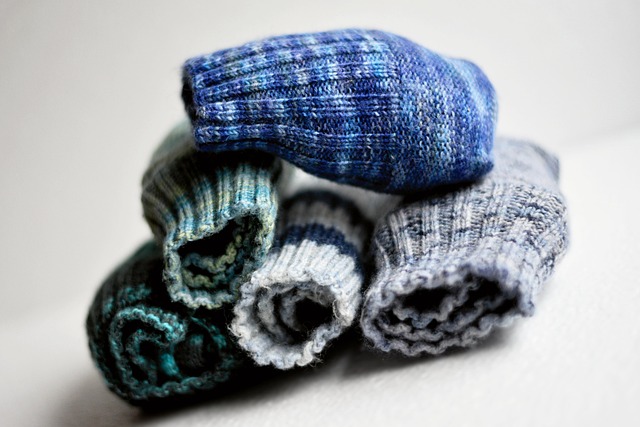
Socks and scarves, taught as skills—not just projects
Each project is a scaffold. You will learn how to check gauge, adjust needle size, and keep your fabric consistent across sessions. For socks, we teach the anatomy of fit: cuff, leg, heel, gusset, foot, and toe. For scarves, we focus on edges, drape, and finishing so the piece looks intentional from every angle.
- Swatching that predicts fit and fabric
- Ribbing, stockinette, and clean transitions
- Finishing: weaving ends, blocking, and tidy seams
Yarn selection that matches the use
Choose fiber blends for warmth, elasticity, and wear. Learn what “superwash” changes, and how twist affects stitch definition.
Tension control and ergonomics
Practical habits to keep stitches even across days, plus gentle positioning tips for long sessions at the needles.
Fixing mistakes without panic
Learn to read your fabric, identify a slipped or dropped stitch, and ladder down cleanly. We also show how to correct twisted stitches, tidy up edges, and prevent holes at the gusset and toe.
Pattern reading basics
Abbreviations, repeats, stitch counts, and how to keep notes so the second sock matches the first.
How it works
The course is structured like a calm studio session: you learn one technique, practice it in a small sample, then apply it to a real piece. The goal is not speed; it is repeatable craft. Each step includes a short checklist so you can pause, park your work-in-progress, and return without guessing where you were.
-
01
Set up your tools and baseline swatch
Start with needle size, yarn weight, and a simple swatch you can measure. We show how to count stitches per 10 cm, why blocked gauge matters, and how to keep your tension stable when you knit in the round.
- Know your working gauge
- Choose needles for drape vs structure
-
02
Build a scarf that teaches clean edges
The scarf project is where you learn consistency: neat selvedges, even rows, and a finish that lies flat. We also cover basic stitch patterns and how to keep your place without relying on memory.
- Tidy edges and a stable fabric
- Simple pattern repeats you can memorise
-
03
Knit a first sock with clear shaping checkpoints
We walk through cuff, leg, and heel construction with stitch counts that make sense. You will learn how to pick up stitches evenly, prevent gaps at the gusset, and shape the toe so it feels comfortable rather than bulky.
- Heel turn and gusset without holes
- Toe shaping with a clean finish
-
04
Finish, block, and make a matching pair
The unglamorous step is the one that makes handmade work last. We cover weaving ends so they do not pop out, blocking for shape, and keeping your notes so the second sock matches the first in length, stitch count, and tension.
- Durable finishing that survives wear
- Repeatable process for future projects
Learner stories and project notes
These quotes reflect typical feedback from learners working through the foundations: clearer pattern reading, steadier tension, and more confidence in fixing mistakes. Individual outcomes vary based on practice time, materials, and prior experience.
“I used to buy yarn because the colour was nice, then wonder why the fabric felt stiff. The yarn section explained ply and twist in a practical way. My scarf ended up with better drape, and I stopped fighting my tension halfway through.”
Register for course information
Share your name and email and we will reply with the course overview and the best starting path (scarf-first or socks-first). No phone number required.
- Beginner-first lessons with technique references you can revisit
- Yarn guidance for warmth, durability, and stitch definition
- Clear finishing so your work looks neat and wearable
FAQ
Do I need special needles for socks?
What makes a good sock yarn?
Will I learn to fix mistakes like dropped stitches?
Do you require a phone number to register?
How do you use my data?
Disclaimer
Educational materials on this website are provided for learning purposes only. Knitting outcomes depend on individual practice, materials, and technique, so results may differ from person to person. Always follow yarn label guidance for care and safety, and use tools responsibly.
Read the full disclaimer